
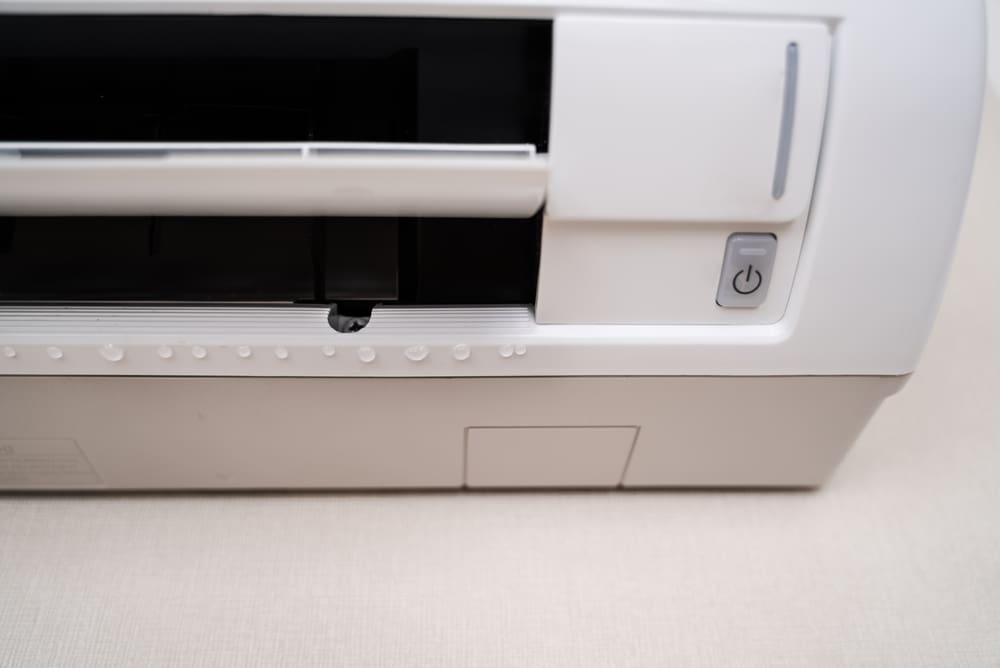
AC units leaking water can be a common issue homeowners face here in Fort Worth and North Texas, signaling potential problems that need prompt attention. Identifying the signs early is crucial to preventing further damage and maintaining the efficiency of your cooling system. Addressing these leaks promptly can save you from costly repairs down the line.
Signs of an AC Unit Leaking Water
Given our region’s frequent use of air conditioning and the dust and pollen common to North Texas summers, problems like clogged drain lines, frozen coils, or damaged drain pans are especially common here. Addressing these issues promptly helps prevent water damage, mold growth, and decreased cooling performance. But to address the issues, first you’ll need to know the signs.
Here are the most common signs that your AC is leaking:
- Water puddles: Accumulation of water around the indoor unit or beneath it.
- Dampness or moisture: Noticeable moisture on walls, ceilings, or floors near the AC unit.
- Decreased cooling performance: Reduced cooling efficiency or uneven cooling in different areas of your home.
- Musty odors: Damp environments can lead to mold or mildew growth, resulting in musty smells.
- Higher humidity levels: Excessive humidity indoors despite the AC running.
- Identifying the issue: Distinguishing between water and refrigerant leaks is essential to determine the appropriate solution.
- Early intervention: Promptly addressing leaks helps prevent potential damage to your home and ensures the optimal functioning of your AC system.
4 Common Causes of AC Leaks
1. Condensate Drain Line Clogs
Clogs in the condensate drain line are a common cause of AC water leaks, as they obstruct the flow of water away from the unit. When the drain line is blocked, water can back up and overflow, leading to leakage around the AC unit. To prevent this issue, regular cleaning and maintenance of the condensate drain line are essential.
Tips for Cleaning the Condensate Drain Line:
- Use vinegar: Pouring a mixture of vinegar and water down the drain line can help dissolve and flush away built-up debris and algae.
- Flush with water: Use a wet/dry vacuum or a simple garden hose to flush out any remaining debris or buildup in the drain line.
- Install a drain pan treatment: Consider installing a drain pan treatment tablet or strip to prevent algae and mold growth, reducing the risk of future clogs.
- Schedule professional maintenance: Regular HVAC maintenance by a qualified technician can include thorough cleaning and inspection of the condensate drain line to ensure it remains clear and functional.
2. Dirty Air Filters
Dirty air filters can significantly impact the performance of your AC unit by restricting airflow. When airflow is restricted, the evaporator coils may become too cold, causing moisture in the air to freeze on the coils. As the ice melts, it can overwhelm the drain pan and lead to water leakage from the AC unit. Regular maintenance of air filters is crucial to prevent this issue and ensure optimal performance.
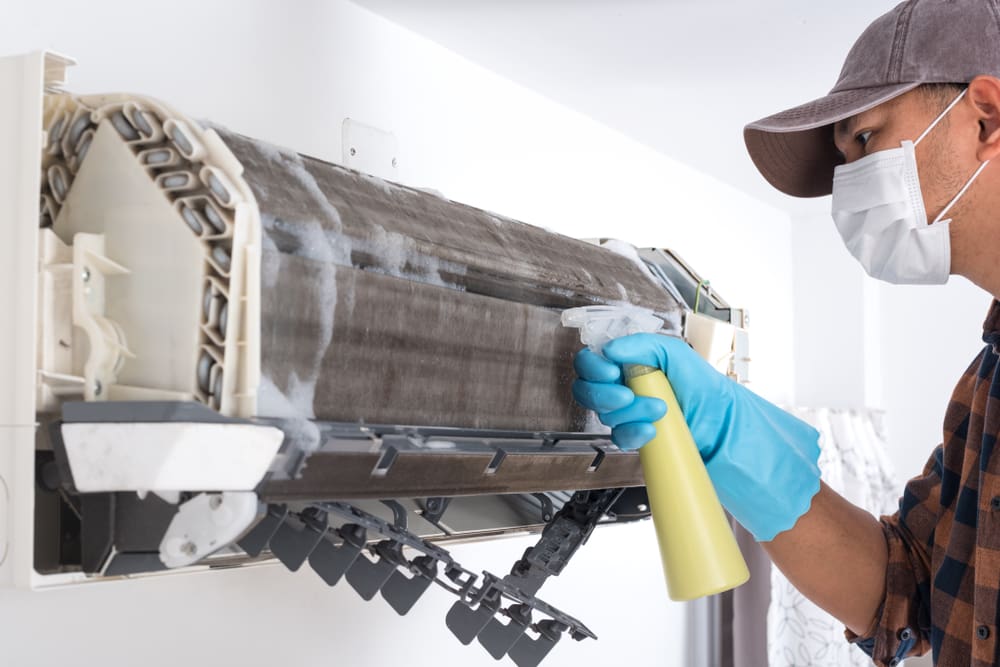
Tips for Maintaining Air Filters:
- Regular replacement: Check and replace air filters according to the manufacturer’s recommendations, typically every 1 to 3 months.
- Cleaning reusable filters: If using reusable filters, clean them regularly according to the manufacturer’s instructions to remove dust, dirt, and debris.
- Monitor filter condition: Keep an eye on the condition of the air filters and replace them more frequently if they appear visibly dirty or clogged.
- Consider higher efficiency filters: Upgrading to higher efficiency filters can improve indoor air quality and reduce the risk of clogs and blockages.
3. Frozen Evaporator Coils
Restricted airflow or low refrigerant levels in an AC system can lead to the freezing of evaporator coils. When airflow is restricted, or refrigerant levels are insufficient, the coils may become too cold, causing moisture in the air to freeze on their surface. As the coils thaw, the accumulated ice melts and can overwhelm the drain pan, resulting in water leakage from the AC unit. To address this issue, it’s essential to identify and resolve the underlying causes of restricted airflow or low refrigerant levels.
Solutions for Preventing Evaporator Coil Freezing:
- Check for airflow obstructions: Ensure that vents, registers, and air ducts are not blocked or obstructed by furniture, curtains, or other objects.
- Inspect and clean air filters: Regularly inspect and clean or replace air filters to maintain adequate airflow through the system.
- Schedule professional maintenance: Arrange for routine maintenance by HVAC professionals to detect and address any issues with refrigerant levels, airflow, or other system components that may contribute to evaporator coil freezing.
- Seal duct leaks: Have ductwork inspected for leaks and seal any gaps or cracks to prevent air leaks and maintain proper airflow.
4. Improper Installation
Improper installation of an air conditioning unit can lead to drainage problems, such as incorrect drainage angles or disconnected drain pipes. These issues can cause water to leak from the AC unit and into the surrounding areas. It’s essential to ensure that the AC system is correctly installed to prevent such leaks and maintain efficient operation.
Solutions for Addressing Installation Issues:
- Consult a qualified HVAC technician: If you suspect that improper installation is causing water leakage from your AC unit, it’s best to seek assistance from a qualified HVAC technician. They can assess the installation and make any necessary adjustments or repairs.
- Verify drainage angles: Ensure that the AC unit is installed with proper drainage angles to facilitate the smooth flow of condensate water away from the unit.
- Check drain pipe connections: Inspect the connections of drain pipes to ensure they are securely attached and free from any leaks or disconnections.
- Consider professional inspection: Schedule a professional inspection of your AC system to identify and address any installation issues that may be contributing to water leakage. This proactive approach can help prevent potential damage and ensure optimal performance of your air conditioning system.
Troubleshooting and Maintenance Tips
Homeowners can troubleshoot and address common AC leaks on their own with the following step-by-step instructions:
1. Check and clean the condensate drain line:
- Locate the condensate drain line and inspect it for any clogs or blockages.
- Use a wet/dry vacuum or a pipe cleaner to remove any debris or buildup from the drain line.
- Pour a mixture of bleach and water through the line to disinfect and clear any remaining blockages.
2. Replace air filters regularly:
- Check the air filters in the HVAC system and replace them if they are dirty or clogged.
- Clean reusable filters according to manufacturer’s instructions to ensure proper airflow.
3. Ensure proper insulation around the unit:
- Check for any gaps or leaks in the insulation around the AC unit.
- Seal any gaps with weatherstripping or foam insulation to prevent warm air from entering and causing condensation.
When Do I Need to Call a Professional for an AC Leak?
By implementing regular maintenance practices such as checking and cleaning the condensate drain line, replacing air filters, and ensuring proper insulation, you can prolong the lifespan of your AC units and avoid unnecessary disruptions.
While DIY troubleshooting can resolve many AC leaks, you should seek professional assistance in the following situations:
- When you are unsure about performing repairs yourself
- Major clogs or blockages in the condensate drain line that cannot be cleared with DIY methods
- Suspected refrigerant leaks, which require specialized equipment and expertise to detect and repair
- Other complex issues that arise
By following these steps and knowing when to seek professional help, you can effectively address common AC leaks and maintain the efficiency and performance of your HVAC systems.
Why AC Water Leaks Happen Often in Fort Worth & Tarrant County Homes
In Fort Worth and throughout Tarrant County, high humidity and our long, hot summers put extra demand on home air conditioning systems. As your AC works to cool indoor air, it naturally produces condensation, which should drain through the system’s condensate line and pan without issue.
But when components get clogged, corroded, or worn out, that water can back up and overflow, leading to leaks inside or around your home.
Common regional factors that contribute to AC leaks include:
- Heavy AC use in Fort Worth’s hot, humid summers
- Clogged condensate drain lines from dust and debris
- Frozen evaporator coils caused by restricted airflow or low refrigerant
- Rust or damage to the drain pan from long‑term use
- Improper installation or poor drainage slope
How Sunny Service Helps Fort Worth & Tarrant County Homeowners With AC Leaks
If your air conditioner is leaking water in Fort Worth or anywhere in Tarrant County, getting professional service as soon as possible can protect your home and keep your AC running efficiently.
At Sunny Service, our certified HVAC technicians know exactly what to look for when condensation isn’t draining properly, from blocked drain lines and dirty filters to refrigerant and pan issues, and we have the tools to fix them right the first time. Our team also offers regular maintenance plans that help prevent leaks before they happen and ensure your cooling system is ready for the region’s hottest months.
Local benefits of choosing Sunny Service include:
- Same‑day and emergency AC leak diagnosis and repair
- Technicians familiar with Fort Worth & Tarrant County HVAC needs
- Preventive maintenance to stop leaks before they start
- Transparent pricing and upfront estimates
- Service throughout Fort Worth, North Richland Hills, Southlake, and surrounding cities
Need Professional Help? Schedule with Sunny Service
Maintaining a well-functioning HVAC system is essential for indoor comfort and energy efficiency. Addressing AC leaks promptly is crucial to prevent further damage and costly repairs down the line.
Sunny Service in the Fort Worth area stands ready to assist with any AC-related concerns, providing reliable, expert services to ensure optimal performance and comfort in your home. When you need HVAC repair or support, give us a call!