

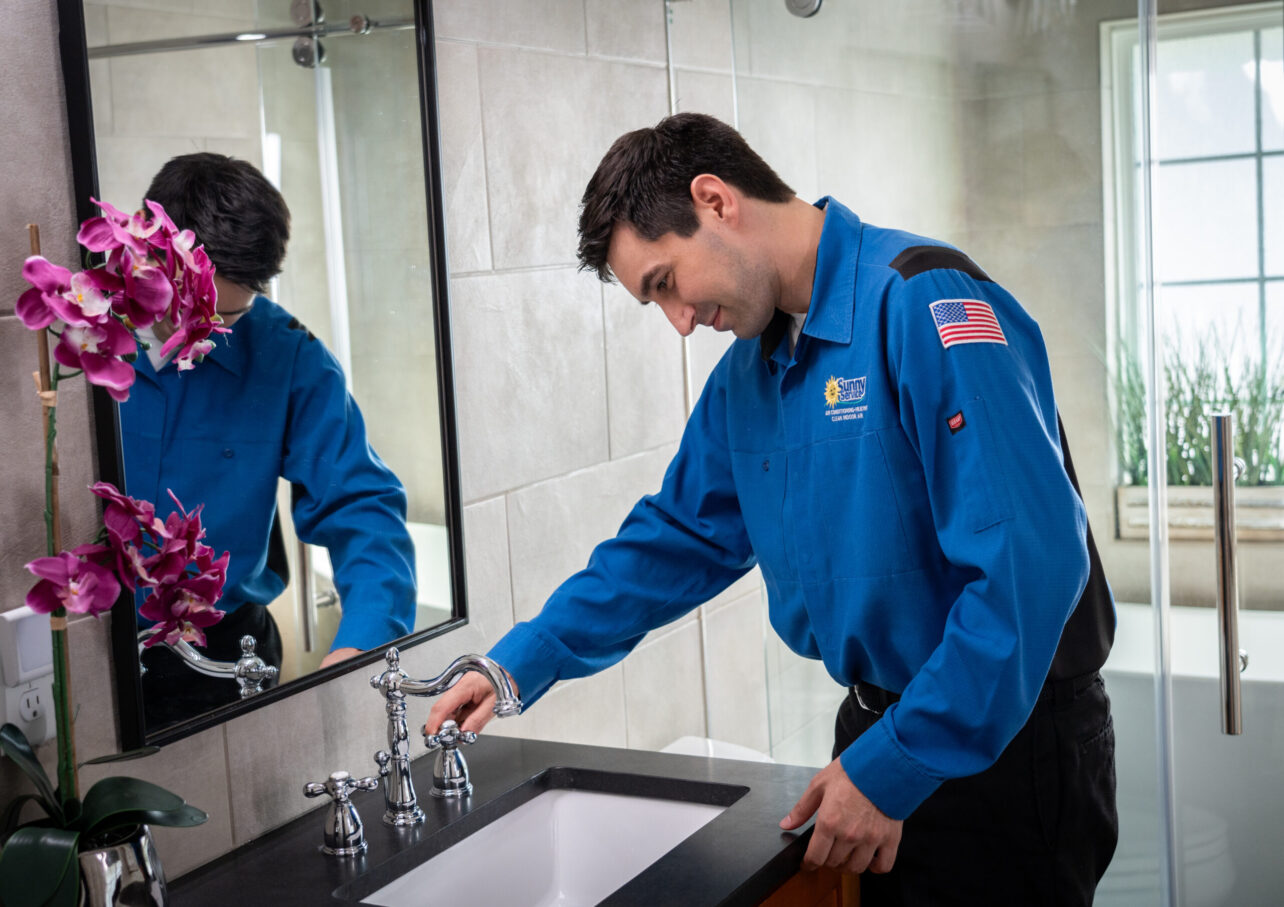
A slow drain may seem like a small inconvenience, but it can be an early sign of buildup, a developing clog, or a deeper plumbing issue. Whether it’s a shower that drains slowly, a kitchen sink that holds water, or a bathroom drain with a lingering smell, the sooner you address the issue, the easier it usually is to fix.
For homeowners in the Dallas-Fort Worth area, slow drains can be especially common because of hard water, aging plumbing materials, tree roots, and everyday buildup from hair, soap, grease, and food waste. Sunny Service proudly serves Fort Worth and communities throughout Tarrant County with professional plumbing solutions that help homeowners identify drain issues before they become more disruptive.
In this guide, we’ll explain what causes slow drains, when a slow drain may point to a bigger problem, what you should avoid doing, and how to help prevent future drain clogs.
Why Shouldn’t You Ignore a Slow Drain?
A slow drain is not always an emergency, but it should not be ignored. Drains usually slow down when something is blocking water flow, whether that blockage is near the surface or deeper in your plumbing system.
Over time, buildup inside the drain can trap more debris, making the clog worse. Standing water and lingering moisture can also contribute to unpleasant odors, bacteria growth, and mold around sinks, tubs, or showers. If the blockage is deeper in the system, pressure can build inside the pipe and lead to leaks, backups, or more expensive plumbing professional repairs.
A single slow drain may be a localized clog. However, several slow drains at once can indicate a larger problem in the drain line or main sewer line.
What Are the Most Common Causes of Slow Drains?
At their best, drains should move water away from sinks, tubs, and showers quickly and consistently. If water starts pooling or draining more slowly than usual, there is likely some type of buildup or blockage restricting the flow.
The most common cause depends on where the slow drain is located. Bathroom drains often collect hair, soap scum, and toothpaste residue, while kitchen drains are more likely to slow down because of grease, oil, food waste, and dish soap buildup.
1. Hair and Soap Scum
Hair and soap scum are two of the most common causes of slow shower and bathtub drains. As hair collects inside the drain, soap residue can stick to it and form a clog that continues to grow over time.
Some surface-level hair clogs can be removed with a drain snake or drain tool, but deeper clogs may require a professional plumber. Avoid reaching for chemical drain cleaners, especially if you have older pipes. These products may temporarily open the drain, but they can also damage plumbing materials and fail to address the full blockage.
2. Grease, Oil, and Food Waste
Kitchen drains are especially vulnerable to grease, oil, and food waste. Grease may go down the drain as a liquid, but it can cool, harden, and stick to the inside of pipes. Over time, this buildup can catch food particles and create a stubborn clog.
Hot water and dish soap may help with minor residue, but they usually cannot fully clear a serious grease clog. The safest approach is to dispose of grease, oil, and food scraps in the trash instead of rinsing them down the sink.
3. Hard Water and Mineral Buildup
Hard water is common throughout much of the DFW area, and over time, minerals can build up inside pipes and fixtures. This buildup may narrow the available space inside the pipe, making it harder for water to drain efficiently.
Mineral buildup can also contribute to fixture wear, reduced water flow, and in some cases, pipe corrosion. Sunny Service offers hard water solutions, including professional descaling and water softener installations and maintenance, to help reduce the impact of hard water on your plumbing system.
4. Foreign Objects and Non-Flushable Items
Foreign objects and non-flushable items can quickly create clogs. Cotton swabs, wipes, feminine hygiene products, paper towels, toys, jewelry, and other objects should never go down drains or toilets.
These items do not break down the way toilet paper does. Instead, they can lodge inside the drain line, catch other debris, and create a blockage that gets worse with continued use.
5. Tree Roots and Sewer Line Issues
If multiple drains are slow at the same time, the issue may be deeper than one fixture. Tree roots naturally seek moisture and can enter small cracks or joints in underground sewer lines. This is especially common in older neighborhoods with mature trees.
Root intrusion may cause recurring clogs, low water flow, sewage odors, or soggy areas in the yard. If you suspect tree roots or a sewer line issue, it’s best to call a plumbing expert who can locate the blockage and recommend the right solution.
Why Are Slow Drains Common in DFW Homes?
DFW homes can experience slow drains for several local reasons. Hard water can contribute to mineral buildup, mature trees can increase the risk of root intrusion, and North Texas clay soil can shift with changes in moisture levels. These conditions can put additional stress on underground pipes and plumbing connections over time.
Homes in Fort Worth and throughout Tarrant County may also have a mix of older and newer plumbing materials, depending on the age of the property. That’s why recurring slow drains should not always be treated as a simple surface clog. If the same drain keeps slowing down—or several drains are affected at once—it may be time for a professional inspection.
When Is a Slow Drain a Sign of a Bigger Plumbing Problem?
A slow drain is more concerning when it happens repeatedly, affects multiple fixtures, or comes with other warning signs. These symptoms may point to a deeper drain line or sewer line issue rather than a simple clog near the drain opening.
Call a plumber if you notice:
- Slow drainage occurring in multiple fixtures
- Unpleasant odors coming from sinks or drains
- Gurgling noises when using plumbing fixtures
- Water backing up into sinks, tubs, or showers
- Repeated clogs that keep coming back after temporary fixes
- Wet spots, sewage smells, or unusually green grass in the yard
If it feels unusual, it is worth paying attention to. Drains should not regularly produce foul odors, make persistent gurgling noises, or back up when another fixture is being used.
Are Chemical Drain Cleaners Safe for Slow Drains?
Chemical drain cleaners are usually not the best solution for slow drains. While they may temporarily break down some buildup, they can be harsh on pipes, especially older plumbing materials. They also may not fully clear the blockage, which means the clog can return.
For minor clogs, safer first steps include using a drain strainer, removing visible debris, flushing the drain with hot water when appropriate, or using a basic drain snake. If the slow drain keeps coming back, professional cleaning is a better option than repeatedly using chemicals.
How Do Plumbers Diagnose and Clear Slow Drains?
Professional plumbers use different methods depending on the cause, location, and severity of the clog. The goal is to identify the source of the slow drain before choosing the right cleaning method.
Camera Inspections
Camera inspections allow plumbers to see inside the drain or sewer line without unnecessary digging. A small waterproof camera can help identify buildup, clogs, roots, cracks, or other issues that may be affecting water flow.
For homeowners concerned about hidden leaks or widespread plumbing damage, camera inspections can provide a clearer understanding of what is happening inside the pipes before repairs are recommended.
Hydro Jetting
Hydro jetting uses pressurized water to remove stubborn buildup inside pipes. It can be effective for grease, sludge, mineral buildup, and other blockages that are difficult to clear with basic tools. Hydro jets are also chemical-free because they rely on water pressure instead of harsh drain cleaners.
However, hydro jetting is not right for every plumbing system. If pipes are old, fragile, or already damaged, a plumber may recommend another method after inspecting the line.
Root Removal and Sewer Line Repairs
When roots enter a sewer line, they usually require specialized equipment to remove. Professional root removal can clear the blockage and help restore proper flow, but additional repairs may be needed if the pipe is cracked, offset, or damaged.
In some cases, trenchless repair methods may be available to reduce disruption to the yard. A plumber can determine the best option based on the pipe condition, location of the damage, and severity of the root intrusion.
Preventative Maintenance Plans
Routine plumbing maintenance can help reduce the risk of recurring clogs. Preventive maintenance may include drain cleaning, inspections, and guidance on how to keep problem drains from slowing down again.
This can be especially helpful for homes with older plumbing, hard water buildup, frequent kitchen clogs, or a history of slow drains.
How Can You Prevent Future Drain Issues?
Not every drain issue can be prevented, but small habits can reduce the likelihood of buildup and recurring clogs. The biggest goal is to keep grease, hair, soap scum, food waste, and non-flushable items out of your drain lines whenever possible.
To help prevent slow drains:
- Dispose of grease properly, and never pour it down the sink.
- Use drain strainers to catch hair, food particles, and debris.
- Flush drains carefully with hot water when appropriate to help reduce minor buildup.
- Be mindful of what gets flushed or rinsed down drains to avoid clogs.
- Schedule annual plumbing checkups to catch potential issues early.
- Consider water treatment if hard water buildup is contributing to recurring plumbing issues.
Frequently Asked Questions About Slow Drains
What should I do if my sink or shower drains slowly but isn’t completely clogged?
Start by removing visible debris and checking whether the issue is limited to one fixture. If the drain continues to slow down, smells bad, gurgles, or backs up, contact a plumber before the clog gets worse.
Are chemical drain cleaners safe to use?
Chemical drain cleaners are generally not recommended, especially for older pipes or recurring clogs. They can damage plumbing materials and may only provide temporary relief.
How can I tell if the problem is in my main sewer line?
The problem may be in your main sewer line if multiple drains are slow, toilets gurgle, sewage odors are present, or water backs up into tubs, showers, or floor drains when other fixtures are used.
How often should I have my drains professionally cleaned?
Many homes do not need professional drain cleaning every year unless they have recurring clogs, older plumbing, heavy use, or known buildup issues. If your drains frequently slow down, a plumber can recommend a maintenance schedule based on your home.
Can hard water really cause slow drains?
Yes. Hard water minerals can build up inside pipes and fixtures over time, reducing water flow and contributing to slow drains. This can be more noticeable in areas where mineral-heavy water is common.
Schedule Drain Service With Sunny Service
If your drains are slow, smelly, noisy, or repeatedly clogging, professional help can identify the source of the issue and prevent it from getting worse. Sunny Service helps Fort Worth and Tarrant County homeowners diagnose and resolve drain problems with solutions tailored to their plumbing system.
Contact Sunny Service to schedule plumbing service and get help with slow drains, recurring clogs, and other drain issues.