

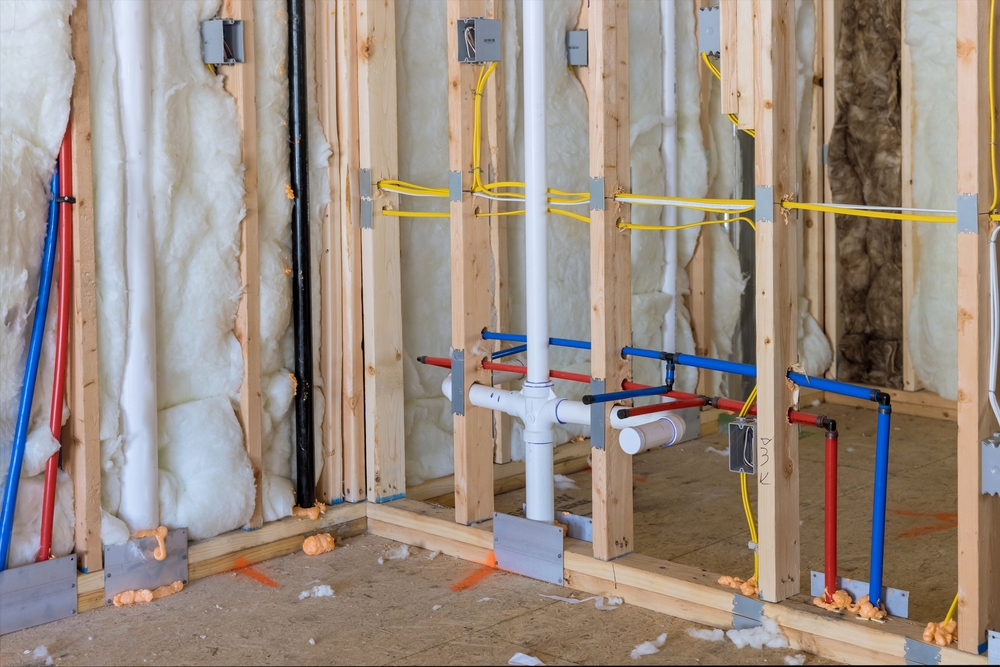
Like most home improvements, pipe replacements can be costly. When comparing PEX vs copper pipes in the Dallas-Fort Worth area, many homeowners are choosing more flexible and cost-effective options like PEX (polyethylene) piping, especially for remodels and repiping projects. Older homes throughout North Texas often still feature traditional copper piping, which has been a standard in plumbing since the 1960s.
In this guide, we’ll help you determine which kind of piping is the best for your cost, style, and labor preferences. If you need professional assistance picking out your home pipes, don’t hesitate to reach out to Sunny Service.
What Is PEX Piping?
Also known as “polyethylene piping,” PEX piping is a modern alternative to copper. Introduced in the 1980s, PEX continues to be an affordable home plumbing option.
While it may not last as long as copper, the flexible material PEX is made from allows for easier installation and modifications, making it a popular choice for remodels and repiping projects in DFW homes.
Popular in both residential and commercial properties, PEX piping is:
- Made from Cross-linked Polyethylene, a flexible plastic material
- Used in residential and commercial plumbing for water supply lines
- Lightweight, easy to install, and resistant to freezing
- Common in modern construction and remodeling projects
What Is Copper Piping?
When people think of their plumbing systems, they often think of those bright, industrial copper pipes. Many people prefer copper pipes to this day, especially those still living in mid-century homes. Below is an overview of what copper pipes are:
- Metallic piping used in plumbing for decades
- Durable, naturally resistant to bacteria, and recyclable
- Found in older homes but still preferred for certain applications
- Requires soldering for installation, making it more labor-intensive
Is PEX or Copper Better for Homes in DFW?
The best choice between PEX and copper piping depends on your home, budget, and how local conditions in the Dallas-Fort Worth area may affect your plumbing system. Both materials have advantages, but factors like hard water, soil movement, and seasonal temperature changes can influence how each performs over time. Understanding these differences can help you choose the right option for long-term reliability and cost.
How Living in DFW Affects Plumbing Materials
In DFW homes, factors like hard water, shifting soil, and seasonal temperature swings can all impact how plumbing materials perform over time. Choosing between PEX and copper isn’t just about cost… it’s also about how well each material holds up under North Texas conditions.
Hard water is common throughout much of the Dallas–Fort Worth area, which can lead to mineral buildup inside pipes over time. This buildup can reduce water flow and, in some cases, contribute to corrosion, especially in older copper systems. PEX piping is generally more resistant to scaling, making it a popular option for homeowners dealing with these conditions.
The clay-heavy soil found in many parts of North Texas is also known to expand and contract with changes in moisture levels. This can cause slight shifts in a home’s foundation, which may put stress on rigid plumbing materials like copper. Because PEX is flexible, it can better accommodate small movements without the same risk of cracking or joint failure.
While winters in DFW are typically mild, sudden cold snaps can still happen. PEX piping has a slight advantage here as well, since it can expand if water freezes inside the pipe, reducing the likelihood of bursting. Copper, while durable, is more susceptible to freezing damage if not properly insulated.
By understanding how these local conditions affect plumbing systems, homeowners can make a more informed decision about which material will perform best in their specific home.
Pros and Cons of PEX Piping
Other than the age and material differences, there are additional things to consider. Is the initial cost of the pipe installation sustainable for you? Is your home built in a way that would allow a seamless installation?
PEX piping is desirable to a lot of homeowners because it’s easy to install, flexible, and low-cost. It’s additionally a convenient option because its flexibility often allows for less invasive installation. That means that fewer wall openings may be needed compared to rigid materials like copper.
We ask homeowners to consider these pros and cons before making a decision:
Pros:
- Flexible and easy to maneuver through walls and tight spaces
- Cheaper materials and installation costs
- Resistant to corrosion and scaling
- Can expand slightly, reducing the risk of bursting from freezing
- Quiet operation, no water hammer noise
Cons:
- Can’t be used outdoors due to UV sensitivity
- Potential chemical leaching concerns in certain water conditions
- Rodents have been known to chew through PEX pipes
Pros and Cons of Copper Piping
Copper pipes are made out of a time-resistant metal material that doesn’t wear down from age, damage, or weather.
Although initially costly, the longevity of copper piping ends up being greater than whatever is spent. If the cost, rigidity, and labor required to install copper pipes don’t faze you, these highlights shouldn’t either:
Pros:
- Extremely durable and can last over 50 years
- Resistant to bacteria and doesn’t degrade over time
- Handles high temperatures well and is UV-resistant
- Can add value to a home due to its longevity and reliability
Cons:
- More expensive than PEX in both material and labor
- Prone to corrosion in areas with acidic water
- More rigid, requiring more fittings and longer installation times
- Noisy when water pressure fluctuates (water hammer effect)
Cost Comparison: PEX Piping vs. Copper
Now, let’s break down the real price difference between PEX vs Copper pipes. It’s not only the number of team members it takes to install each material but also how many tools it takes to do so.
Because copper pipes must be cut, fitted, and soldered, they typically require more time and labor to install. PEX, on the other hand, can often be installed more quickly, which helps reduce overall project costs. Both copper and PEX pipes are a gamble, as you can’t predict things like corrosion or freezes.
While upfront cost is important, it’s also worth considering long-term performance, maintenance needs, and how each material will hold up in your specific home.
Sunny Service recommends considering the following cost differences when choosing a home piping option:
- Material Costs: PEX is significantly more affordable than copper
- Labor Costs: PEX is easier and faster to install, reducing labor expenses
- Long-Term Costs: Copper lasts longer but can corrode; PEX may need replacement due to wear or external damage
- Repairs & Maintenance: PEX is easier and cheaper to replace, while copper requires soldering and more effort
Best Applications for Each Type
While you may like the industrial look of a copper pipe, it may not work well in your home. Maybe you’re looking to remodel your home. PEX is a great option for newer homes because it’s easy to manipulate, whereas installing copper piping in a new home would require major reworking.
The best choice often depends on your home’s layout, your renovation goals, and how long you plan to stay in the home.
In many older homes across the DFW area, copper piping may already be in place, which can make partial replacements or repairs more straightforward compared to a full system conversion.
PEX or copper, our team is available to find the best fit for you. We’ve rounded up the best applications for each pipe type below:
- PEX is Best For:
- New construction and remodels
- Budget-conscious homeowners
- Areas with freezing temperatures
- DIY-friendly plumbing projects
- Copper is Best For:
- High-temperature applications (hot water, heating systems)
- Homes where long-term durability is a priority
- Outdoor plumbing and direct sunlight exposure
- Increasing home resale value
- Hybrid Systems:
- Combining PEX and Copper for different parts of the plumbing system
- Using Copper for main lines and PEX for interior distribution
Environmental and Health Considerations
While it makes sense to first consider the functionality and durability of each pipe type, it’s equally important to consider the environment and health impact as well.
The plastic makeup of PEX pipes could be a serious concern for some homeowners, while others may struggle more with the leak potential of copper pipes. Before you make a decision, ask your installation service provider about the manufacturing information.
Environmentally, copper pipes seem to be the better choice. They’re recyclable, durable, and long-lasting. However, they’re not without fault.
Once again, look at the material. The best choice for you will always be the option that aligns with your needs. Contact an expert at Sunny Service if you need assistance weighing your options.
Before we get to you, think about what’s important for your home:
- Sustainability: Copper is 100% recyclable, whereas PEX has a more complex recycling process
- Health Concerns:
- Copper can leach into water in corrosive conditions
- PEX may have concerns about chemical leaching, depending on the manufacturer
- Energy Use:
- Copper production is energy-intensive, while PEX has a lower manufacturing footprint
The Takeaway
Are you planning to stay in your house for a long time? Are you on a budget? These are questions to ask yourself before settling on a material.
Are you planning to stay in your home long-term, or are you looking for a more budget-friendly upgrade? These are important questions to consider before choosing between PEX and copper. If you’re in Fort Worth or Tarrant County, the team at Sunny Service can help you evaluate your plumbing system and recommend the best solution for your home.
Give us a call at (817) 476-1627, send us an email, or fill out our contact form for an immediate consultation.
Cost, durability, and installation may be important, but not more important than your home comfort.