

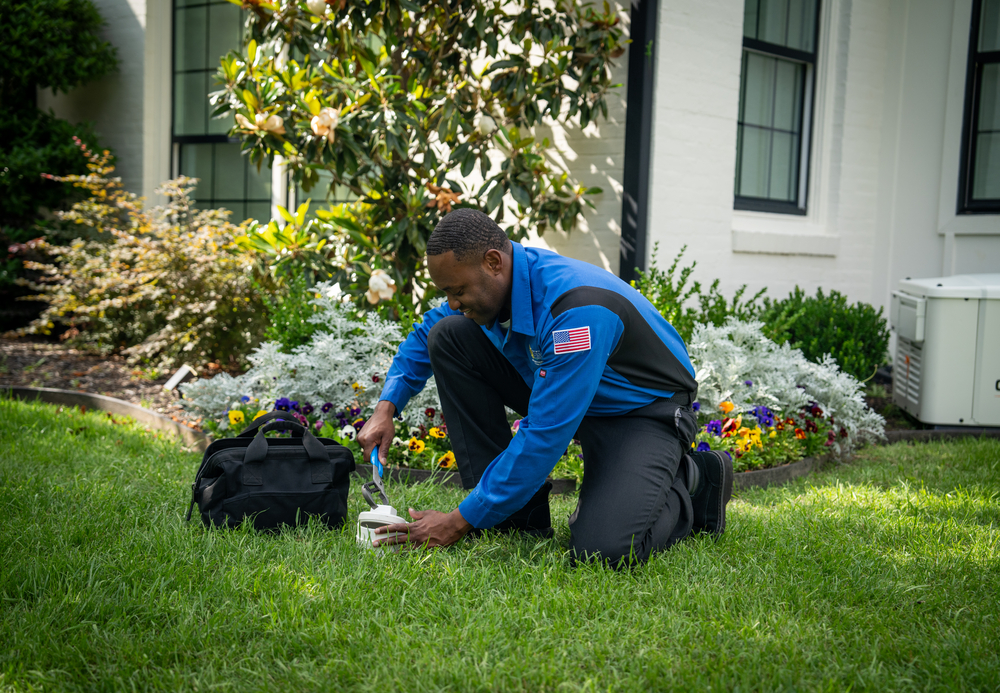
A slow drain, gurgling toilet, or strange smell from your sink might seem harmless at first. But when several plumbing symptoms happen at the same time, they can point to a larger sewer line issue instead of a simple clog.
For homeowners in the Dallas-Fort Worth area, sewer line problems can be especially stressful because many local homes deal with clay-heavy soil, mature tree roots, slab foundations, and sudden heavy rain. Sunny Service proudly serves Fort Worth and communities throughout Tarrant County, helping homeowners understand the warning signs before plumbing problems become major disruptions.
In this guide, we’ll explain the most common signs of sewer line problems, what causes them, how to tell the difference between a drain clog and a main line issue, and when it’s time to call a professional.
What Are the Most Common Signs of Sewer Line Problems?
Sewer line problems often start with small symptoms that are easy to overlook. One slow drain may not be a major concern, but repeated clogs, sewage odors, or multiple fixtures backing up at once are signs that the issue may be deeper in your plumbing system.
Watch for these common signs of sewer line problems:
- Slow-draining sinks, tubs, or toilets: If one drain is slow, it may be a localized clog. If multiple drains are slow, the main sewer line could be affected.
- Frequent or recurring clogs: A clog that keeps coming back may indicate a blockage deeper in the line.
- Foul sewage odors: Bad smells from drains, bathrooms, or the yard can point to sewer gas escaping from a clog, crack, or break.
- Gurgling noises from pipes or toilets: Bubbling or gurgling sounds can happen when air is trapped by a blockage in the plumbing system.
- Soggy patches or sinkholes in your yard: Damp ground, unusually green grass, or dips in the yard may indicate an underground sewer leak.
- Backups in lower-level fixtures: If water backs up into a shower, tub, or floor drain when another fixture is used, the main line may be clogged.
- Rodent or insect problems: A sudden increase in pests may be connected to a sewer line breach, especially if waste or moisture is attracting them.
If you’re noticing more than one of these issues, don’t ignore it. Strange plumbing behavior can sometimes start small, but it may worsen quickly if the main sewer line is involved. You can also learn more about other strange plumbing behavior that may point to a larger issue.
What Causes Sewer Line Issues in DFW Homes?
Even the best-maintained homes can experience sewer line issues due to aging infrastructure, environmental shifts, or everyday plumbing habits. In the Dallas-Fort Worth area, local soil conditions, mature tree roots, older pipe materials, and sudden heavy rain can all contribute to sewer line problems over time.
Some of the most common causes of sewer line issues include:
- Tree root intrusion: Roots naturally seek out moisture and can enter small cracks or loose joints in older sewer lines. Once inside, they can grow and create recurring blockages.
- Pipe corrosion or collapse: Older pipes can rust, deteriorate, crack, or collapse over time, especially in homes with aging clay, cast iron, or deteriorating sewer lines.
- Improper flushing habits: Wipes, grease, paper towels, hygiene products, and even items labeled “flushable” can build up inside the sewer line and create stubborn clogs.
- Shifting soil or foundation movement: North Texas clay soil expands and contracts with changes in moisture levels. This movement can put pressure on underground pipes and cause them to shift, crack, or separate.
- Heavy rainfall or flooding: Sudden storms can overwhelm drainage systems and worsen existing sewer line problems, leading to backups or water pooling around the property.
Because many Fort Worth and Tarrant County homes are built on slab foundations, sewer line problems may not always be obvious right away. Recurring clogs, sewage odors, and wet spots in the yard are all signs that the issue may be deeper than a simple drain blockage.
Is It a Drain Clog or a Sewer Line Problem?
One of the most common questions homeowners ask is whether they’re dealing with a simple clog or something more serious. The biggest clue is whether the issue is isolated to one fixture or affecting multiple drains throughout the home.
- One clogged fixture: A slow kitchen sink, bathroom sink, or shower drain is often a localized clog.
- Multiple clogged drains: If sinks, tubs, and toilets are all draining slowly, the main sewer line may be blocked.
- Backups when other fixtures are used: If water rises in the shower when you flush a toilet or run the washing machine, the issue may be in a shared line.
- Water near floor drains: Water pooling around floor drains can indicate a deeper blockage rather than a surface-level clog.
If you’re unsure, avoid repeatedly using chemical drain cleaners. They may not reach the source of a main line blockage and can be harsh on older pipes. A licensed plumber can use a video camera inspection to locate the problem and determine whether the issue is a minor clog, root intrusion, pipe damage, or a larger sewer line concern.
What Should You Do if You Suspect a Sewer Line Issue?
If you think your sewer line may be clogged or damaged, the safest first step is to stop using affected fixtures as much as possible. Continuing to run water can make backups worse, especially if the main line is already blocked.
Here’s what homeowners can do right away:
- Stop flushing toilets or running water if sewage is backing up into the home.
- Check whether multiple drains are affected or if the problem is limited to one fixture.
- Look for outdoor warning signs, such as soggy soil, sewage odors, or unusually green grass.
- Avoid pouring grease, harsh chemicals, or additional drain cleaners into the system.
- Schedule professional plumbing services if the issue involves multiple drains, sewage odors, or backups.
Fast action matters because sewer line issues can lead to water damage, sanitation concerns, and more expensive plumbing repairs if left untreated.
How Can Homeowners Help Prevent Sewer Line Problems?
Not every sewer line issue can be prevented, especially if your home has older pipes or significant tree root intrusion. However, small habits can reduce the risk of clogs, backups, and avoidable damage.
To help protect your sewer line:
- Flush only toilet paper and human waste.
- Never pour grease, oil, or food scraps down the drain.
- Use drain strainers to catch hair, soap residue, and debris.
- Avoid planting large trees or shrubs near your main sewer line.
- Pay attention to recurring clogs instead of treating them as isolated problems.
- Consider a sewer camera inspection if your home is older or has a history of backups.
Preventive maintenance is especially helpful in older DFW homes, where pipe materials, tree roots, and soil movement can all contribute to long-term sewer line problems.
When Should You Call a Plumber for Sewer Line Warning Signs?
You should call a plumber if more than one drain is backing up, if sewage odors are present, or if water is backing up into tubs, showers, toilets, or floor drains. These symptoms may indicate a main sewer line issue rather than a simple fixture clog.
A plumber may recommend a video camera inspection to identify the exact location and cause of the problem. Depending on what the inspection shows, the solution may involve drain cleaning, hydro jetting, targeted repairs, or more extensive sewer line repair.
The goal is to diagnose the issue accurately before recommending a repair. That helps homeowners avoid guesswork, unnecessary digging, and repeated temporary fixes.
What Happens During a Sewer Camera Inspection?
A sewer camera inspection is a non-invasive way to look inside your sewer line. A plumber inserts a small waterproof camera into the line to check for clogs, cracks, root intrusion, collapsed sections, bellied pipe, or other issues.
This inspection helps answer important questions, such as:
- Where is the blockage or damage located?
- Is the issue caused by roots, buildup, pipe damage, or soil movement?
- Can the problem be cleared, or does the pipe need repair?
- Is the issue isolated or affecting a larger section of the sewer line?
For homeowners, this provides a clearer understanding of what is happening underground before making decisions about repairs.
Schedule a Plumbing Inspection With Sunny Service
DFW homeowners often face a combination of plumbing stressors: long dry periods, sudden storms, expansive clay soil, mature trees, and a mix of older and newer home construction. These factors can all affect underground pipes over time.
Sunny Service serves homeowners in Fort Worth and throughout Tarrant County, so we understand the local conditions that can contribute to sewer line problems. Whether you live in an older home with mature trees or a newer property experiencing drainage concerns, recognizing warning signs early can help you protect your home and avoid more disruptive repairs.
If you’re noticing recurring clogs, sewage odors, gurgling drains, or backups in more than one fixture, it may be time to have your plumbing system inspected.
From fixture repairs to water heater services, our team can help keep your home’s plumbing system working properly. Give us a call today to book your next plumbing service with Sunny Service.
Frequently Asked Questions About Sewer Line Problems
What’s the difference between a drain clog and a sewer line blockage?
A drain clog typically affects one fixture, such as a kitchen sink, shower, or bathroom drain. A sewer line blockage usually affects multiple drains and may cause backups throughout your home.
How often should I have my sewer line inspected?
Many homeowners only need a sewer inspection when symptoms appear. However, older homes, homes with large trees near the sewer line, or properties with recurring backups may benefit from periodic inspections every few years.
What should I do if I smell sewage in my home?
Call a licensed plumber promptly. Sewer odors can indicate a blockage, broken pipe, dry trap, venting issue, or other plumbing problem that should be inspected before it gets worse.
Can I fix a sewer line clog myself?
You may be able to clear a small fixture clog with a plunger, but a true sewer line clog usually requires professional equipment. If multiple drains are backing up, avoid DIY chemicals and call a plumber for proper diagnosis.